Training a Doodle
Smart, energetic, and eager to please—doodles thrive with positive reinforcement and consistent training.
What’s the best age to start training?
Start as soon as you bring your doodle home. Puppies can learn basic cues at 8 weeks. Early training prevents bad habits and builds confidence.
Which training method works best?
Positive reinforcement—reward good behavior with treats, toys, or praise. Avoid harsh corrections, which can create anxiety in sensitive doodles.
How do I socialize my doodle puppy?
- Expose to new people, pets, and environments gradually.
- Pair new experiences with treats to create positive associations.
- Enroll in a safe puppy socialization class after vaccines.
What basic commands should every doodle know?
- Sit, down, stay, come, leave it, drop it.
- Loose-leash walking and recall.
- Place/settle for calm behavior at home or in public.
How do I crate train a doodle?
- Make the crate inviting with a bed, toy, and treats.
- Start with short, positive sessions; never use as punishment.
- Helps with house-training and gives your doodle a safe space.
How can I improve recall (coming when called)?
- Use a special recall word and reserve it for high rewards.
- Practice indoors, then in fenced yards, then on long lines outside.
- Always reward generously—even if they were distracted first.
How do I stop jumping and mouthing?
- Ignore jumping—reward four paws on the floor.
- Redirect mouthing to toys; stop play if teeth touch skin.
- Teach “sit for greetings” as the default.
What about leash pulling?
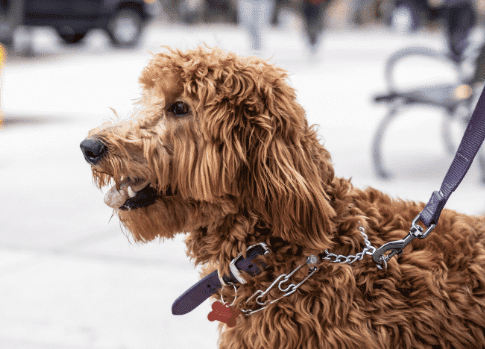
- Use a front-clip harness for control.
- Stop walking the moment leash tightens; reward when it loosens.
- Practice “loose leash” in quiet areas before busy streets.
Are doodles good candidates for advanced training?
Yes! Many doodles excel in agility, therapy work, service dog tasks, scent work, and trick titles thanks to their intelligence and trainability.
What’s the biggest training mistake with doodles?
Inconsistency. Smart doodles quickly notice when rules change. Keep commands, boundaries, and rewards consistent among all family members.
Short, fun sessions (5–10 min) several times a day work better than long drills. Consistency + patience = a well-mannered doodle.
Training A Doodle Dog
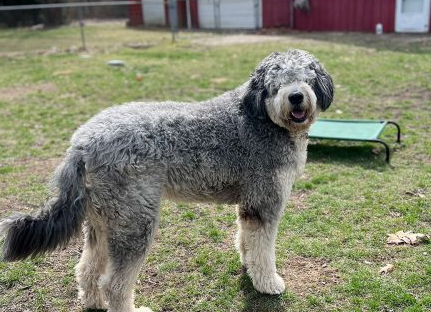
Doodle dogs, such as Goldendoodles, Labradoodles, and Bernedoodles, are intelligent, social, and respond best to early, consistent, positive reinforcement training. Establishing a strong bond and routine is crucial for success.
Essential Training For Doodle Puppies
- Establish a routine Take your puppy out first thing in the morning, after meals, after naps, before bed, and after play sessions.
- Create a designated potty area Take your dog to the same spot in the yard each time. The familiar scent will encourage them to go.
- Reward success immediately When your puppy eliminates outside, give them enthusiastic praise and a high-value treat right away to build a positive association.
- Supervise to prevent accidents Watch for signs like sniffing, circling, or whining. If you see them about to have an accident, interrupt them with a firm “No” and immediately take them outside.
- Never punish accidents Scolding after the fact will only make your doodle anxious or afraid of you.
- Consider bell training Hang a bell on the door and ring it each time you go out. Doodles are smart and can quickly learn to ring the bell themselves when they need to go out.
Crate Training
- Make it a safe space Since dogs don’t like to soil their sleeping area, a crate is a valuable house-training tool. Make the crate a positive, cozy place with soft bedding and toys, and never use it for punishment.
- Start slowly Gradually increase the time your puppy spends in the crate. For young puppies, keep crate time limited to their age in months plus one hour (e.g., a three-month-old can be crated for up to four hours).
Socialization
- Start early The critical period for socialization is between 3 and 16 weeks.
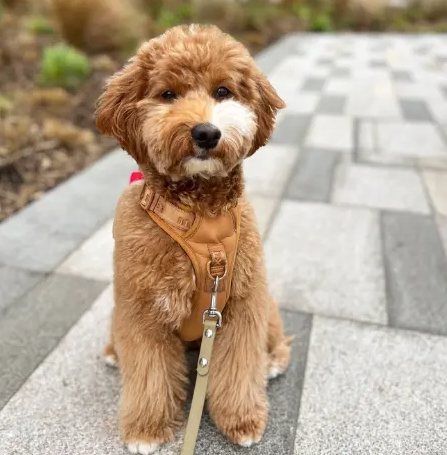
- Expose them safely Take your doodle puppy on car rides or carry them in a bag to stores to expose them to new sights, sounds, and smells before they are fully vaccinated.
- Organize safe introductions Arrange playdates with calm, vaccinated dogs and introduce your puppy to a variety of people, including different ages, appearances, and gaits.
- Associate new things with rewards Reward your puppy with treats and praise for remaining calm and friendly in new situations.
General Tips For Training A Doodle
- Be patient and consistent Doodles are intelligent and eager to please, but training takes patience. Everyone in the household should use the same commands and methods to avoid confusing your dog.
- Use positive reinforcement Reward desirable behaviors with praise, treats, or toys. Ignore unwanted behaviors when possible to avoid rewarding them with attention.
- Keep training sessions short and fun Doodles are smart and can get bored. Keep sessions short (10–20 minutes) and end on a positive note to maintain their interest.
- Provide mental and physical stimulation High-energy doodles require plenty of exercise to prevent boredom and destructive behaviors. Incorporate puzzle toys and interactive games into their routine.
- Build trust Form a strong, trusting bond with your dog so they see you as a leader they want to listen to. Stay calm and collected during training, as dogs can mirror their owner’s energy.
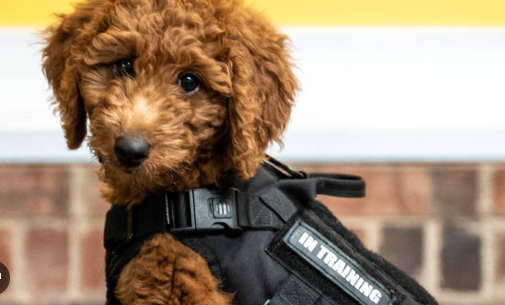
- Consider a professional trainer If you are struggling with specific behavioral issues like separation anxiety, excessive barking, or jumping, a professional trainer can provide personalized guidance.
Tell Me More About How To Use Positive Reinforcement
Positive reinforcement is a training method that involves adding something a dog values (like a treat or praise) to increase the likelihood they repeat a desired behavior. This creates a positive association with good behavior, which helps build trust and makes training a fun experience for both you and your doodle.
How To Start With Positive Reinforcement
- Use high-value rewards
Food is one of the easiest and most effective motivators for most dogs. However, the value of the reward should match the difficulty of the task.
- For learning new commands, use “high-value” treats that are soft, smelly, and irresistible, like small pieces of cheese, chicken, or hot dogs.
- For behaviors your doodle knows well, you can use “low-value” rewards like kibble or a simple “Good dog!”.
- Get your timing right
Your dog needs to understand exactly which action earned them the reward.
- Deliver the reward within 1 to 3 seconds of the desired behavior.
- If you are teaching “sit” and your dog stands up before you reward them, they will think they are being rewarded for standing.
- A “marker” word, like “Yes!” or a clicker, can help you mark the exact moment they performed the correct behavior. Always follow the marker with the reward.
- Be consistent
Everyone in your household should use the same commands and reward system to avoid confusing your doodle.
- Make a list of cues, like “sit,” “stay,” and “down,” so that everyone uses the same terminology.
- The more consistent you are, the faster your doodle will learn.
- Reward in different environments
Once your doodle understands a command in a quiet room, start practicing it in different locations with more distractions.
- In busier environments, you may need to use higher-value treats to hold your doodle’s attention.
- This teaches your dog to perform the command reliably, no matter where they are.
Moving Beyond Food Rewards
While treats are great for initial training, you won’t need to use them forever. You can phase them out by switching to an intermittent reward schedule.
- Start with continuous reinforcement, where you reward the behavior every time it occurs.
- Gradually switch to an intermittent schedule, where you reward the behavior only occasionally. Your dog will remain motivated because they know a reward might be coming.
- Use different rewards. Many dogs are just as happy to work for praise, a favorite toy, or an enjoyable activity. You can use these rewards in your intermittent schedule. For instance, have your doodle “sit” before you let them outside, and their “reward” is getting to go for a walk.
Troubleshooting Common Issues
If positive reinforcement is not working, it may be an issue with timing, the reward, or the training environment.
- A dog that is too excited to take treats may be stressed or over-aroused by the environment. Moving to a calmer location and rewarding small successes is recommended.
- If a dog ignores the treats, the treats may not be high-value enough, or the dog might be too stressed to eat. Trying more enticing rewards or taking a break can be helpful.
- A dog that stops responding when there are no treats means intermittent reinforcement was introduced too quickly. Rewarding every time until the behavior is solid, and then slowly phasing out food, is recommended.
- If a dog won’t stop jumping on people, the behavior may be unintentionally rewarded with attention. Ignoring the jumping and rewarding the dog when all four paws are on the floor is recommended.
What Are Some Good Non-Food Rewards For Doodles?
Beyond food, doodles are often motivated by the same things that make them happy in their everyday lives. To find the best non-food rewards, pay attention to what your dog naturally enjoys and use those activities to reinforce good behavior.
Play and toy rewards
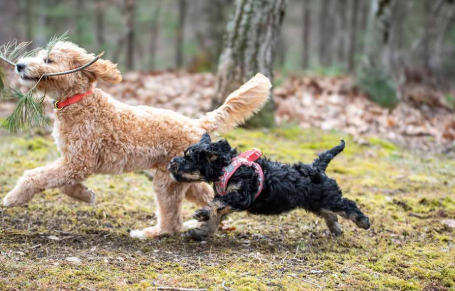
Playtime is a high-value reward for many doodles, especially those with high energy.
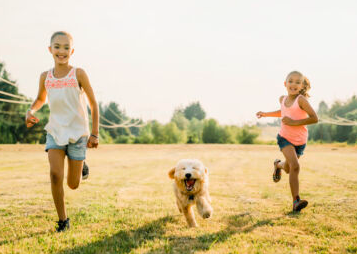
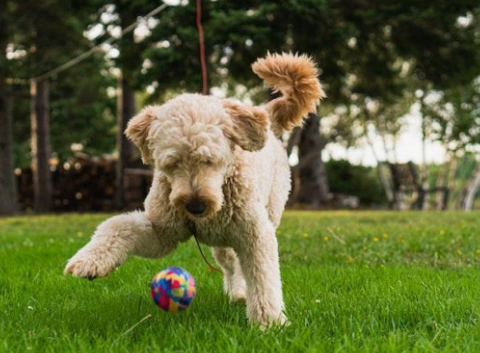
- Fetch: For doodles who love to chase, a quick, enthusiastic game of fetch is a powerful reward. Use a special ball or frisbee only during training to make it extra exciting.
- Tug-of-war: A short, controlled session of tug can be a great reward for dogs who enjoy it. Make sure your doodle knows the “drop it” command so the game stays on your terms.
- New toys: For a “jackpot” reward, surprise your doodle with a new toy. The novelty will keep them engaged and excited.
- Keep away: A silly game of chase or keep away can be a fun and engaging way to reward your doodle.
Affection and attention
Doodles form strong bonds with their families, making your attention a highly valuable reward.
- Enthusiastic verbal praise: Use a high-pitched, happy, and upbeat tone of voice to say “Good dog!” or “Yes!” Doodles recognize the positive emotion and are motivated by your approval.
- Physical touch: Many doodles love petting, scratching, and cuddling. A gentle belly rub, ear scratch, or massage can be a soothing and rewarding form of praise, especially for calm behavior.
- Social time: The promise of time spent with you is a powerful motivator. For example, your doodle can learn that a quiet, calm sit earns them the reward of getting to sit on the couch with you.
Environmental rewards
Use access to the things your doodle wants in their environment as a reward. This is also called a “life reward”.
- Permission to explore: If your doodle is walking calmly on the leash, reward them by letting them go sniff a fire hydrant or a patch of grass. Sniffing is a mentally enriching activity for dogs.
- Access to doors: Have your doodle sit and stay before you open the door to the yard or a car. The “reward” is the freedom to go outside or for a ride.
- A new place: A walk on a new trail or a trip to the dog park can be a big reward for good behavior.
Scent-based games
Doodles are intelligent and enjoy using their sense of smell to problem-solve.
- Scent work: Try hiding a favorite toy and having your doodle sniff it out. This is a great mental workout that can tire them out.
- Puzzle toys: Use a puzzle toy that dispenses treats and kibble, or fill a KONG toy with dog-safe mashed fruit or yogurt and freeze it for a long-lasting and stimulating reward.