
Advanced Doodle Training
Advanced Training For The Doodle
Highly intelligent and eager to please, Doodles are excellent candidates for advanced training beyond basic obedience. Opportunities include formal dog sports like agility, specialized skill development for service or therapy work, and advanced obedience classes that build upon their foundation.
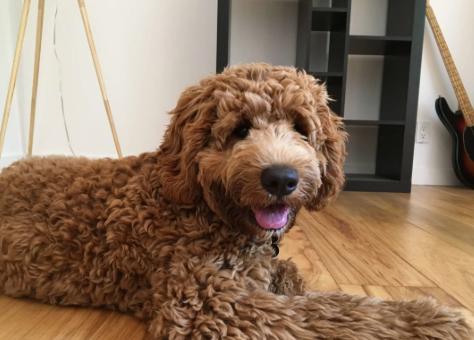
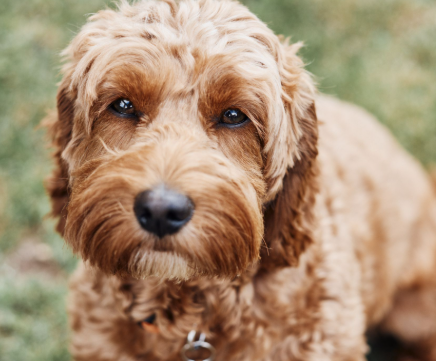
Training For Dog Sports
Dog sports are an excellent way to provide mental and physical stimulation for an active and smart Doodle.
- Agility training: This is one of the most popular sports for Doodles, involving a dog navigating an obstacle course with jumps, tunnels, and weave poles. It helps build confidence, communication skills, and focus. You can begin at home with a starter kit and enroll in formal classes as your dog progresses.
- Flyball: A fast-paced relay race for dogs, flyball involves teams of four dogs running over hurdles to retrieve a tennis ball. A Doodle’s speed and athleticism make them well-suited for this sport.
- Rally obedience: This activity combines standard obedience commands with agility, requiring the handler and dog to navigate a course of signs. It’s a fun way to improve communication and focus in a dynamic setting.
- Nosework: Doodles have a strong sense of smell and can excel in scent detection. Nosework trains a dog to find hidden scents in various environments, satisfying their natural curiosity.
Advanced Obedience & Trick Training
After the Labradoodle stole the spotlight, breeders jumped on the poodle hybrid bandwagon! Next up were the adorable Cockapoos, a fun mix of Cocker Spaniel and Poodle, and the charming Goldendoodles, combining Golden Retrievers and Poodles. These delightful new breeds were all about snagging the best traits from their non-Poodle parents—think size, temperament, and color—while keeping that fabulous, hypoallergenic poodle coat. The doodle family just kept getting cuter and more diverse!

Specialized Service & Therapy Work
Doodles’ intelligence, temperament, and trainability make them excellent candidates for specialized work. This is a long-term commitment that often involves a professional trainer.
- Therapy dogs: A therapy dog provides comfort and affection to people in hospitals, nursing homes, and schools. Training focuses on a calm demeanor and working reliably through distractions.
- Service dogs: For individuals with disabilities, Doodles can be trained to perform specific tasks, which can include:
- Mobility assistance: Helping with balance or retrieving dropped items.
- Medical alert: Notifying a handler of a change in blood sugar or an impending seizure.
- Psychiatric support: Providing deep pressure therapy or interrupting harmful behaviors.
- How to begin: There are two main paths to training a service dog:
- Self-training: A viable option if you are patient and hands-on, though it is highly recommended to work with an experienced service dog trainer.
- Professional training: Organizations like Happy Doodle Farmspecialize in training Doodles for service work, with programs lasting 12–24 months.
What Are Some Popular Advanced Tricks For Doodles And How Can They Be Taught?
As highly intelligent dogs, Doodles are great candidates for advanced tricks that go beyond basic commands. Using positive reinforcement, such as high-value treats and praise, you can teach your Doodle impressive new tricks. Patience, short training sessions, and consistency are key to success.
Here are some popular advanced tricks and how to teach them:
Play dead
This is a fun, multistep trick that requires your dog to lie on their side and stay still on command.
- What you’ll need: High-value treats, a quiet room, and a dog that knows “down” and “stay”.
- Method:
- Ask your dog to lie down.
- Hold a treat near your dog’s nose and slowly lure their head backward toward their shoulder.
- As your dog follows the treat, they will naturally roll onto their side. Mark and reward the desired behavior.
- Once your dog consistently rolls onto their side with the treat lure, introduce a verbal cue like “bang” just before they start the motion.
- Fade the hand lure, rewarding only when they respond to the verbal cue alone.
Weave through legs
This trick involves your dog moving in a figure-eight pattern between your legs as you walk.
- What you’ll need: High-value treats and a confident Doodle.
- Method:
- With your dog in front of you, lure them through your legs with a treat in your hand.
- As your dog finishes going through, mark and reward them.
- Step forward with the opposite foot and lure them back through your legs from the other side.
- Once your dog is comfortable following the treat, start using an empty hand to guide them.
- Add a verbal cue like “weave” as your dog starts the motion. With practice, you can remove the hand cues entirely.
Fetch a named object
This trick expands on basic fetch by teaching your dog to differentiate between objects by name and retrieve the correct one on command.
- What you’ll need: Several distinct toys (e.g., a ball, a rope, a frisbee) and high-value treats.
- Method:
- Start with one unique toy. Name it (e.g., “Ball”) and practice fetching it with your dog.
- Once your dog reliably fetches the single toy, introduce a second object. If they get confused, remove the second object and practice with the first one again.
- Gradually add more named objects, always rewarding your dog when they choose the correct one.
- If your dog makes a mistake, simply try again. Avoid getting frustrated, as some intelligent dogs may get confused when new objects are introduced.
Close the door
An impressive and useful trick for Doodles, this involves them pushing a door closed with their nose or paw on command.
- What you’ll need: A post-it note or small target, high-value treats, and a door that swings easily.
- Method:
- Target training: Teach your Doodle to touch a sticky note with their nose. Hold the note in your hand, and when they touch it, mark and reward them.
- Move to the door: Place the sticky note on the door at your dog’s nose height. Encourage them to touch it. Reward any interaction, and give an extra large “jackpot” reward when they touch it hard enough to make the door move.
- Add a cue: When your dog consistently touches the target, add a verbal cue like “close.”
- Fade the target: When your dog reliably closes the door with the verbal command, you can gradually make the target smaller or remove it entirely.
Tips for success with advanced tricks:
- Break down the steps: Any complex trick is just a series of smaller, simpler behaviors strung together. Train each part separately before connecting them.
- Keep it fun: If your Doodle gets bored or distracted, take a break. End every training session on a positive note so they look forward to the next one.
- Vary the rewards: In addition to treats, use toys, praise, or affection to keep your dog motivated and engaged.
- Practice in different environments: As your Doodle masters a trick, practice it with increasing distractions to make the behavior more reliable.


